AGMARK CERTIFICATION — APPLICATION READINESS

Prepare your agricultural product for the right grading framework.

Review the commodity, manufacturing or packing premises and quality-control arrangements relevant to an AGMARK Certificate of Authorisation.
  • Defined commodity scope
  • Quality-record readiness
  • Clear permission boundaries

Product scope

Define the product for your filing.

Quality records

Gather testing and grading records.

Discuss my AGMARK requirements.

Tell us your proposed activity, location and current stage. We’ll help identify the documents and next steps.
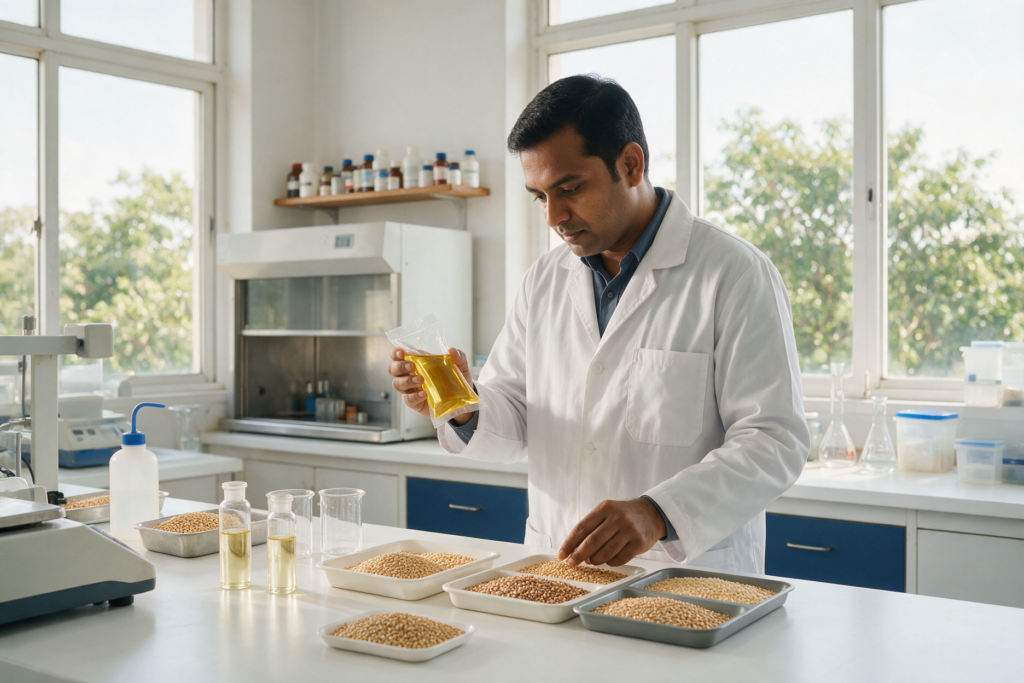
Agricultural quality technician examining product samples in a laboratory

UNDERSTAND YOUR REQUIREMENTS

Start with the commodity and the authorised grading route.

AGMARK concerns grading and marking agricultural commodities under the relevant framework. The product, premises and quality-control arrangements determine the preparation needed. We help organise the application-readiness for the appropriate authorisation, keeping it distinct from laboratory approval, printing permission and other food-business obligations.

PLAN THE RIGHT SUPPORT

Start with the work your business needs.

Commodity and route review

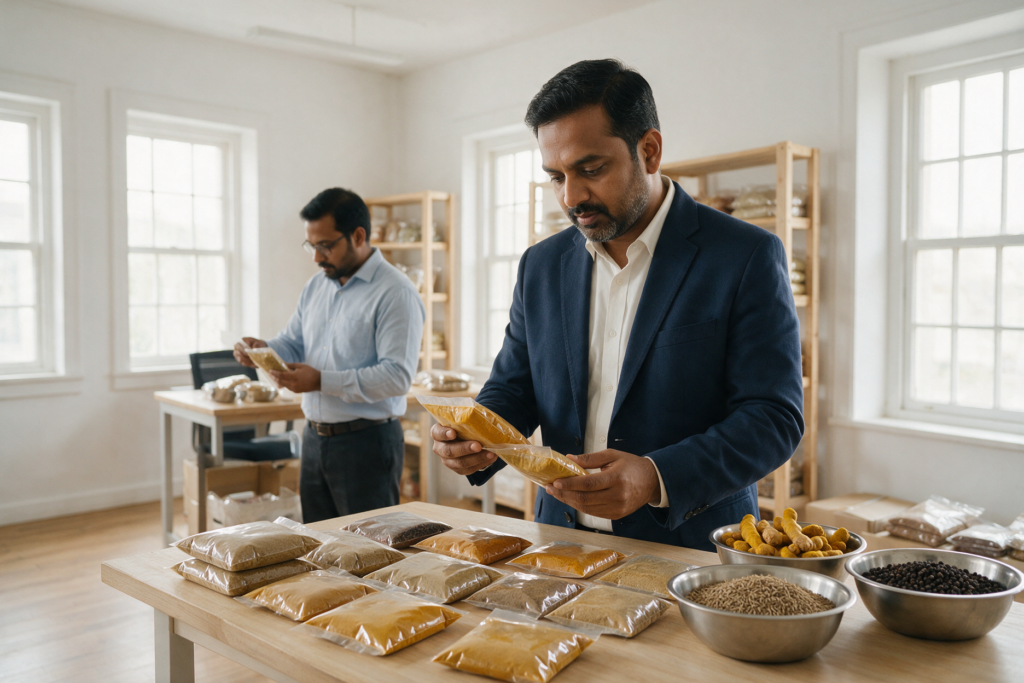
Identify the relevant product and grading requirements.

Certificate-of-Authorisation preparation

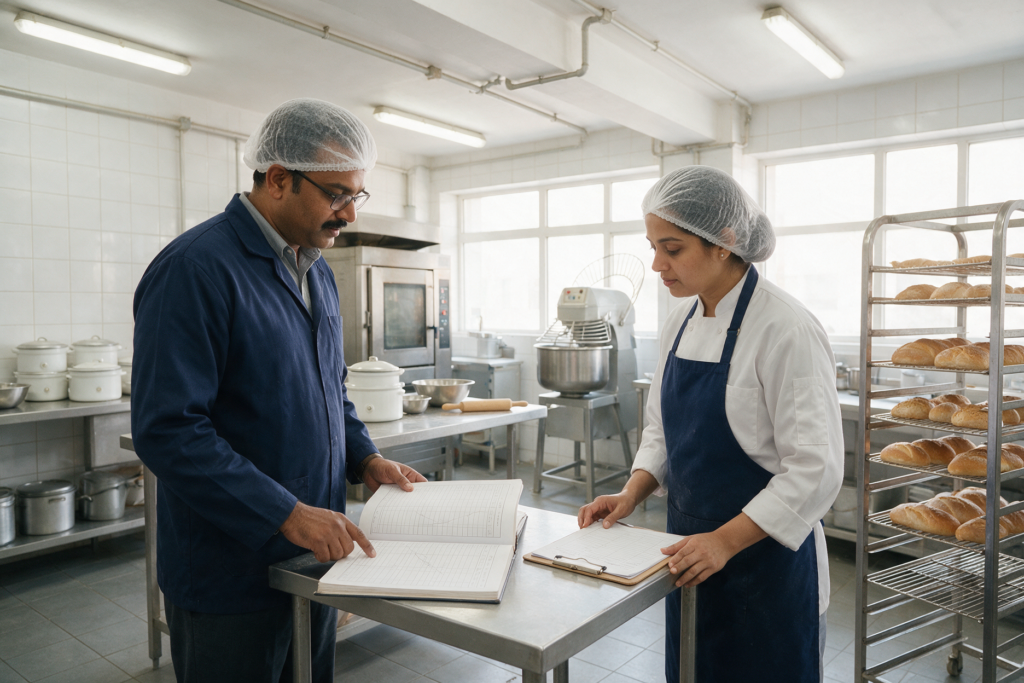
Organise the applicant, premises and supporting quality-control records.

Existing-authorisation review

Check the present scope, validity and required next action.

A clearer path from planning to paperwork.

Defined commodity scope

Know which product the proposed application concerns.

Quality-record readiness

Organise the relevant testing and grading arrangements.

Clear permission boundaries

Separate packer authorisation from laboratory or printing approvals.

Check the proposed setup before you begin.

The correct route depends on the people, activity and location involved.

Relevant commodity

Check the applicable commodity standards and marking framework.

Premises and activity

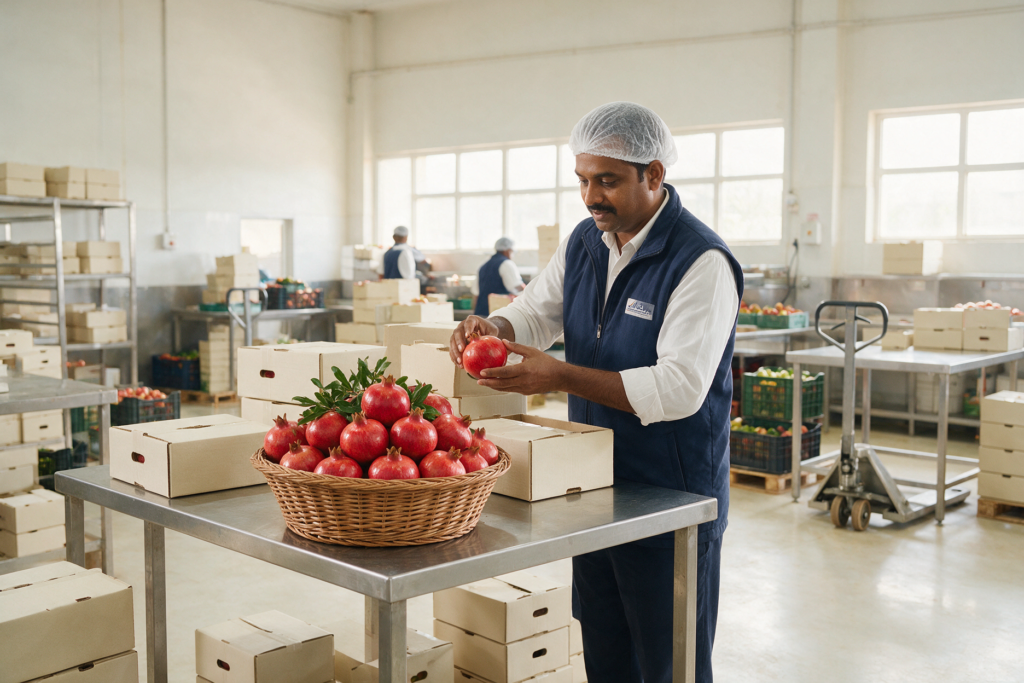
Identify the manufacturing or packing unit proposed for authorisation.

Quality-control arrangements

Review the testing, laboratory and other evidence required for the specific route.

Confirm the current official requirements for your activity and the scope of the intended application.

Who this service is designed for.

Choose the structure around your ownership and operating plans.

  • Agricultural product manufacturers and packers
  • Businesses assessing AGMARK for a specified commodity
  • Existing authorised packers reviewing their records

Prepare these details for your first review.

  • Applicant entity and responsible-person particulars
  • Commodity and proposed grading scope
  • Manufacturing or packing premises information
  • Quality-control and laboratory arrangements as required
  • Supporting records specified by the applicable commodity checklist
  • Existing authorisation and proposed changes where relevant

This is a starting checklist. Final requirements depend on your profile and the relevant filing procedure. Do not submit identity documents through the general enquiry form.

Understand each step before proceeding.

01

Review the commodity

Confirm the product and applicable authorisation route.

Stage 1

02

Check the unit’s readiness

Organise premises and quality-control information.

Stage 2

03

Prepare the application record

Use the appropriate AGMARK Online process and prescribed evidence.

Stage 3

04

Follow official assessment

Address scrutiny, inspection or other requirements before the outcome.

Stage 4

Approval and processing remain subject to the applicable authority. Fixed completion dates are not guaranteed.

What affects the overall timeline?

Readiness preparation:

Depends on the commodity and completeness of quality-control records.

Authority assessment:

Scrutiny, verification and applicable inspection affect completion.

After authorisation:

Follow the authorised scope, marking rules and continuing conditions.

UNDERSTAND THE DIFFERENCE

AGMARK permissions have distinct purposes.

PermissionMain roleImportant distinction
Certificate of Authorisation

Authorises the relevant manufacturing or packing premises for the specified scope.

Not a laboratory approval.

Laboratory approval

Concerns eligible testing or grading arrangements under the system.

Not a substitute for the packer’s authorisation.

Printing permission

Concerns printing the AGMARK replica under the prescribed process.

Not unrestricted permission for any business to use the mark.

Do not display an AGMARK claim or replica merely because an application has been submitted. Applicable authorisation and marking conditions must be satisfied.

WHY TRADE INNOVATION

Clear preparation for your next business step.

Start with your plans and available records. We’ll help organise the work into an understandable scope.

A relevant checklist

Identify the documents needed for the agreed route.

Defined responsibilities

Know what information and decisions are needed from you.

Transparent next steps

Separate initial setup from continuing compliance and other licences.

Agricultural quality technician examining product samples in a laboratory

CLIENT EXPERIENCES

EXPLORE OTHER BUSINESS OPTIONS

Compare the next steps for your business.

AGMARK authorisation questions, answered.

Clarify the application scope before you proceed.
Is AGMARK mandatory for every food product?

No blanket statement is appropriate. Check the particular commodity and current applicable rules.

Is AGMARK the same as an FSSAI licence?

No. They serve different regulatory purposes and neither should be assumed to replace the other.

Does one approval cover a packer, laboratory and printer?

No. AGMARK Online provides distinct application routes for these permissions.

Can I use the mark after submitting an application?

Submission alone is not authorisation. Follow the actual approval scope and marking conditions.

Can you guarantee certification?

No. The competent authority assesses the applicable standards, records and requirements.

Discuss my AGMARK requirements.

Share your product, business activity and current stage to begin the discussion.